Office space for accountants and tax preparers in Jacksonville
Compare private suites and meeting rooms for accountants and tax preparers at Southpoint Office Suites in Southpoint, Jacksonville. Private offices start from $10 per person per day, excl. tax and meeting rooms start from $29 per hour, excl. tax.
Starting rates as published by our workspace operator; billed monthly. Final pricing confirmed on your tour.
Two recommended services to compare
Private suites
from $10 per person per day, excl. tax
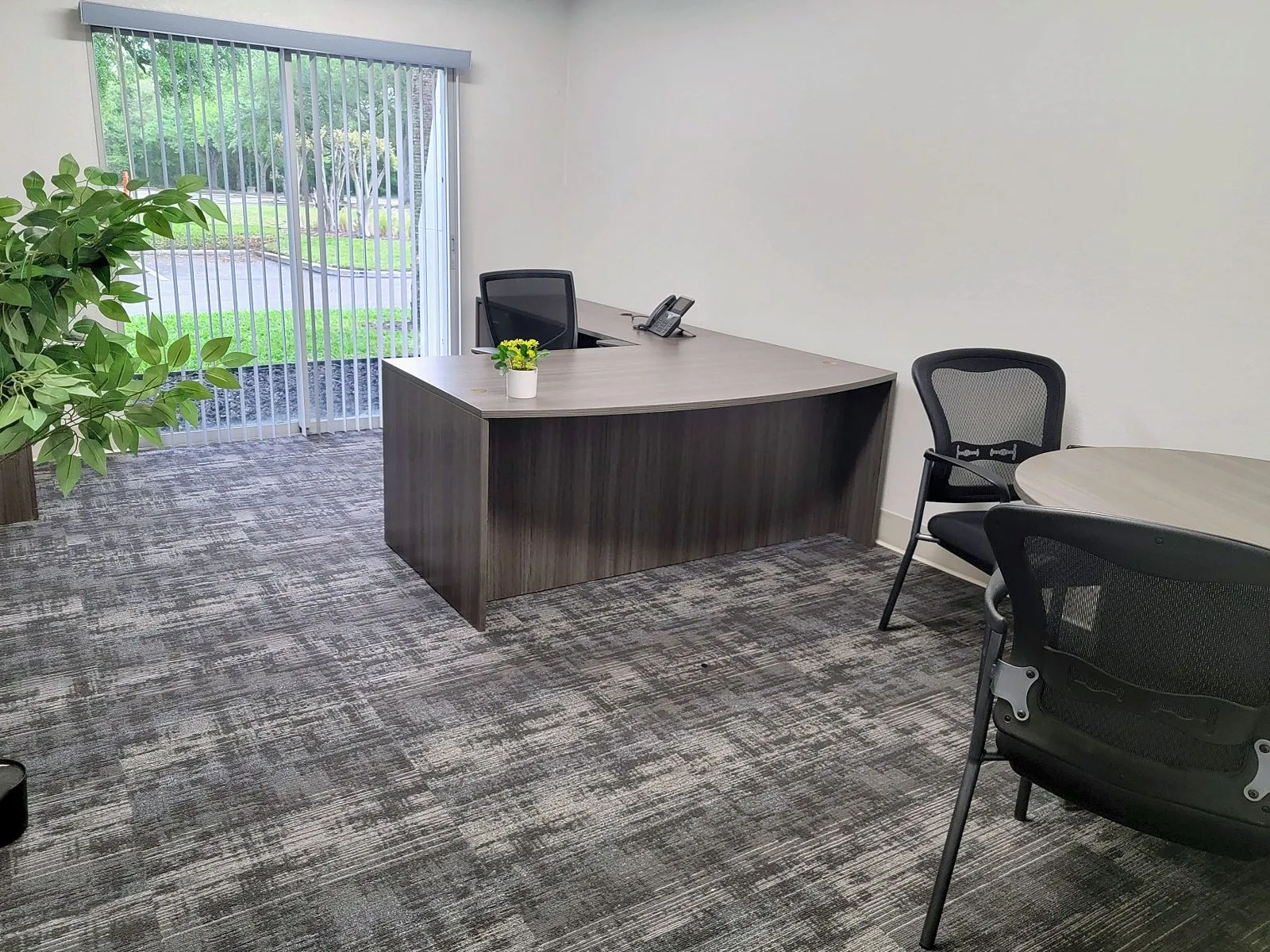
Furnished workspace for regular office work; inspect the specific room and discuss your working practices.
Meeting rooms
from $29 per hour, excl. tax
Request a room for planned conversations; confirm the room, booking period and visitor arrangements.
Plan for the filing period and the rest of the year
A busy preparation period can make every available hour feel like a reason to take more space. Start instead with two calendars: one showing your busiest expected week and another showing ordinary year-round work. Mark independent preparation, client conversations and the time needed to review documents after a meeting. This separates the amount of work from the amount of space required. It also gives you a useful basis for discussing a regular office and occasional meeting-room requests.
Include the tasks that continue when appointments are less frequent. Reviewing records, preparing correspondence, planning future work and maintaining your own business routines may still benefit from a consistent desk. Alternatively, your ordinary week may happen elsewhere, with Southpoint considered for planned client discussions. Describe both patterns before choosing. A seasonal need is an explanation of your workload, not a promise of seasonal lease terms; review the actual commitment offered with the team.
Give preparation work a clear place in the office brief
Concentrated preparation and visitor meetings ask different things of a workspace. For independent work, think about your devices, working surface and the materials you need within reach. For a client review, think about how two people will look at the same information. A furnished private suite is worth exploring when those activities recur throughout the week. Inspect the proposed desk and guest seating with your own work sequence in mind rather than choosing entirely from a photograph.
The private-office service lists utilities, fiber internet, reception, coffee and daily janitorial alongside furnishings and six monthly meeting-room hours. Those published inclusions help you compare a working base without inventing a profession-specific package. Decide how you will handle papers and screens, especially when switching from preparation to a visitor discussion. Keep your document-management process separate from office amenities; the furniture list does not define how your business should store, transfer or retain information.
Structure client document meetings around an agenda
A useful document meeting starts before everyone sits down. Tell the client what you want to review and identify the materials you need them to bring through your own normal process. For the room enquiry, provide attendance, the expected duration and whether you plan to use a screen. There is no need to include financial records in a workspace request. A clear meeting agenda makes it easier to discuss the room and the period you want to reserve.
Meeting facilities list reception to greet guests, fiber internet, coffee and a presentation display. Review the proposed setup if you intend to show a spreadsheet or walk through a document together. Allow for your own preparation and close-out when requesting the booking period. Afterward, you may need independent time to organize the next steps; decide where that work will happen instead of assuming that a meeting reservation provides a desk for the rest of the day.
Compare service costs without guessing the agreement
Keep the private-office per-person daily starting basis separate from the meeting-room hourly basis. They describe different services, and multiplying either by an imagined busy-season schedule does not produce a confirmed monthly invoice. Outline the office use and room time you expect, then ask for a quotation for that pattern. If the private suite's meeting allowance matters to your decision, ask how it is booked and how any additional room use is handled.
Discuss a quieter period as carefully as a peak period. Ask what the proposed agreement says about its initial commitment, renewal, notice and changes in use. You can explain that your workload varies without assuming the operator offers a seasonal contract or a right to reduce space on demand. Understanding the written arrangement lets you compare its usefulness across your whole working year, not just during the weeks when client appointments are most concentrated.
Choose a location and bring a practical comparison
Review both Southpoint building pages with the journeys of staff and visiting clients in mind. Confirm the building for the office or room under discussion before sending appointment instructions. If you expect a sequence of document meetings, describe the arrival pattern and the gaps you plan between them. Consider how you will move from a visitor discussion back to preparation work. The strongest comparison is about a workable day rather than the largest possible room.
Bring your two calendars, expected attendance and equipment questions to a tour. Compare the private-suite and meeting-room parent pages beforehand so you can focus the visit on the actual spaces and unresolved details. Request the final pricing and conditions for the arrangement you are considering. You should leave with a clearer view of where year-round preparation belongs, how planned client meetings would work and whether the available terms match the way your practice operates.
Frequently asked questions
Which services suit preparation and client meetings?
Explore private suites from $10 per person per day, excl. tax for recurring office work and meeting rooms from $29 per hour, excl. tax for planned document discussions. Compare each service against your working calendar.
Are seasonal lease terms promised?
No seasonal lease terms are promised. Describe your peak and quieter periods, then review the actual initial commitment, renewal, notice and change conditions offered.
What should I include in a document-meeting enquiry?
Include attendance, requested duration and any presentation-display needs. Keep client records out of the workspace enquiry and use your own process to organize meeting materials.
How can I compare busy-season and year-round needs?
Prepare a calendar for each pattern showing desk work and visitor meetings. Ask for the actual office quotation, room-booking charges and how any included meeting allowance is used.