Moving your business to Jacksonville: workspace and address steps
This guide explains how to sequence workspace and address decisions when moving your business to Southpoint, Jacksonville. Southpoint Office Suites offers furnished private offices starting from $10 per person per day, excl. tax, with shared workspace and address services to discuss separately.
Starting rates as published by our workspace operator; billed monthly. Final pricing confirmed on your tour.
By Salem Hassan, owner · Published · Updated
Establish what needs a Jacksonville base first
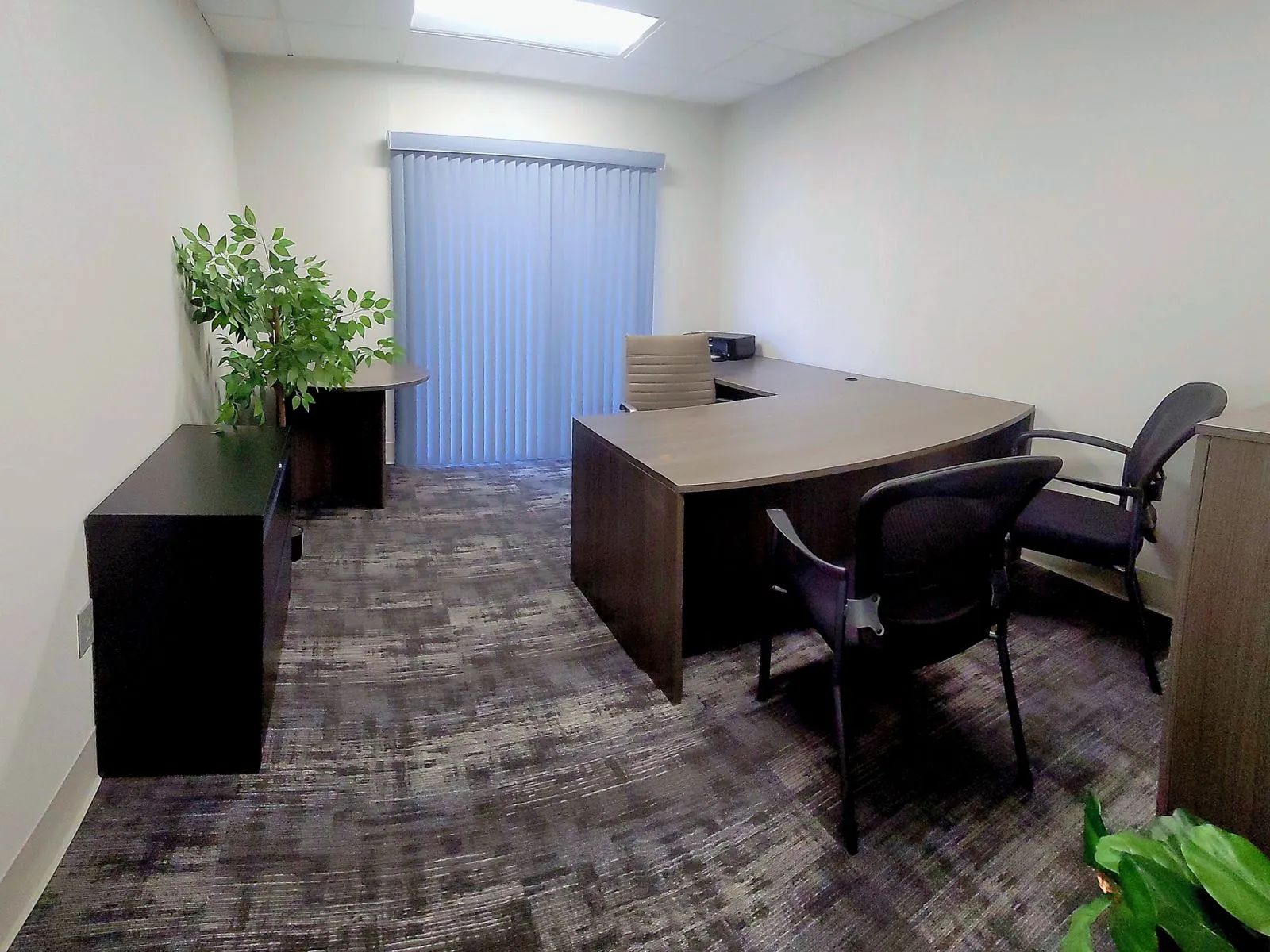
Moving a business to Jacksonville involves several decisions that do not have to happen at the same moment. You may need a dependable place to work, an address for correspondence, rooms for visitors or a continuing team office. Begin by identifying the function that must work first. A company can make a poor early commitment by searching for the largest possible premises before understanding attendance and client patterns. A smaller initial arrangement may be useful, but only when it genuinely supports the work and its terms fit the transition.
Separate business setup from personal relocation. Where the owner lives, where staff work, where mail arrives and where clients meet may be different places. Write those requirements down individually. This guide focuses on the workspace and address sequence rather than tax, employment, licensing or legal relocation advice. When those matters affect your company, use the appropriate official information and professional advisers. A workspace provider can explain its services; it should not be treated as deciding every obligation involved in moving a business.
Build a working brief before choosing an address
Describe who will work locally, how often they attend and what equipment they need. Include calls, confidential work, visitor appointments and any tasks that cannot be interrupted. A remote owner visiting periodically has different requirements from a team arriving every weekday. Distinguish confirmed attendance from an optimistic future headcount. The brief does not need to be complicated, but it should be specific enough that a provider can discuss an appropriate service instead of responding to a broad request for office space.
Use your actual starting points when considering location. In Jacksonville, a general area name is not a substitute for checking the journey your staff and visitors will make. Southpoint Office Suites is in Southpoint at two advertised buildings. Discuss the intended schedule and confirm the full address for the relevant visit. This guide does not rank neighborhoods, promise travel times or introduce local market statistics. The practical question is whether the proposed base works for your business's real appointments and attendance pattern.
Choose an initial workspace by task, not permanence
If the immediate need is portable independent work, discuss coworking access or a day pass. If the immediate need is an enclosed place for a focused working day, ask about a private day office. If a continuing team base is already necessary, discuss private or team offices. These options solve different problems. Do not use the availability of several service categories as proof that every arrangement can be provided at either building on your preferred date; ask about the suitable service and current proposal.
An initial arrangement should have a clear purpose and a review point. For example, a business might need a place for planned work while it learns its local attendance pattern, rather than committing immediately to a custom premises project. That is a planning approach, not a promise of a trial period or an unrestricted ability to change plans. Review the agreement and ask how changes would be discussed. Make sure the initial space works on its own terms even if a later move takes longer than expected.
Give business correspondence a separate transition plan
List the organizations that send important mail and where each currently sends it. Include customer correspondence, suppliers, account statements and administrative notices. Decide who will manage updates and collection during the move. A virtual-office plan may be relevant when your team works elsewhere but needs an address-and-mail arrangement in Southpoint. Southpoint's published plan describes a business address and mail handling. It should not be read as a daily desk, registered-agent appointment or a guarantee of acceptance by every organization using the address.
Check the proposed address for each important purpose before changing records. A mailing field, principal office field and registered-agent field can have different requirements. Banks, licensing bodies and other organizations may also distinguish correspondence from actual operating premises. Use current instructions and describe the arrangement accurately. If a legal question arises, seek appropriate advice. Ask the provider about activation, address format and collection, without assuming scanning, forwarding or an automatic process for items sent to your previous location.
Put agreement and activation before public announcements
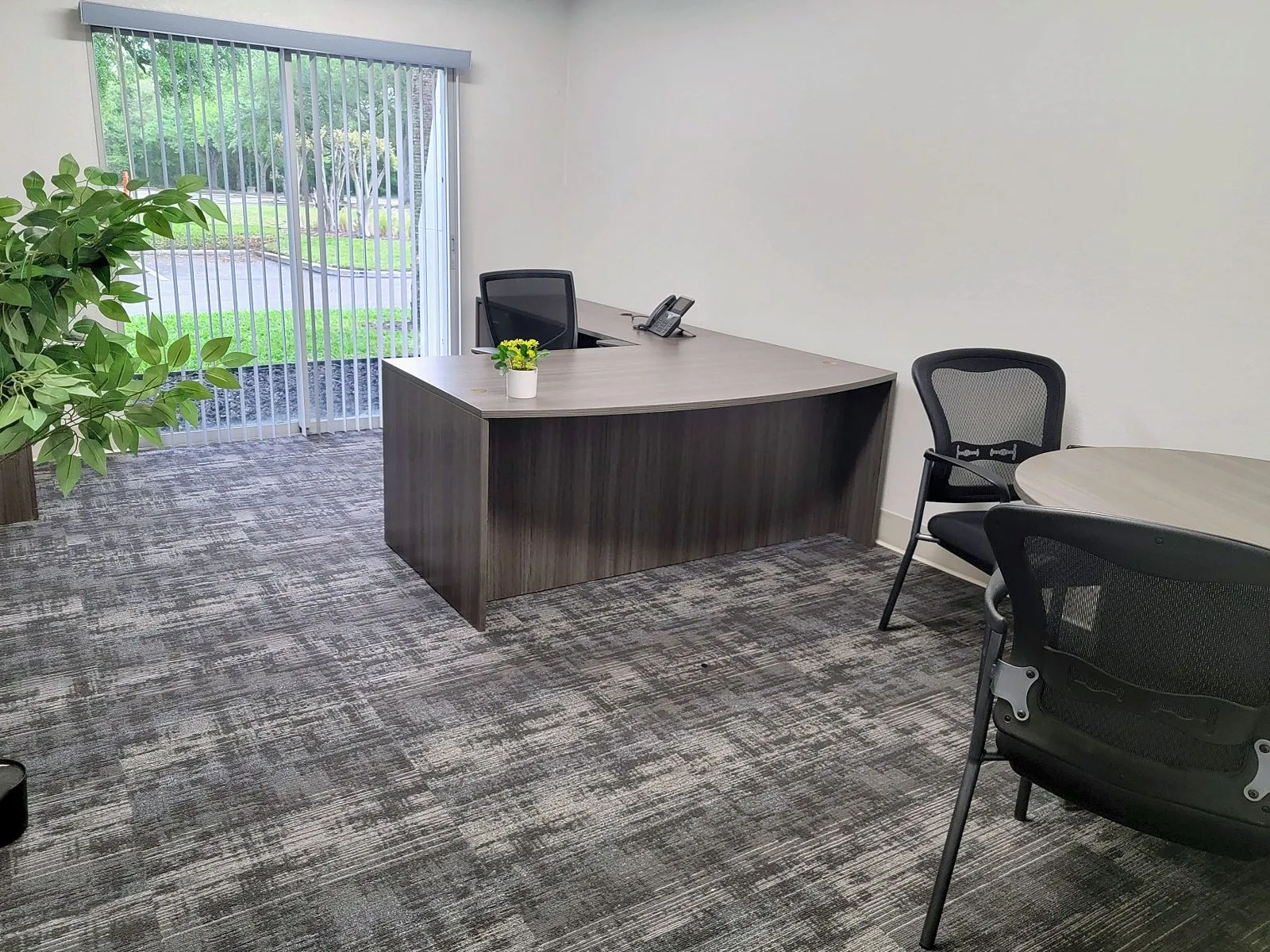
Once you have selected a suitable service, get the written scope and quotation. Confirm the actual workspace or address arrangement, the start procedure and any information required from your business. Discuss your target start, but keep it tied to the remaining steps rather than treating a date mentioned during a tour as a confirmed handover. A furnished interior can simplify some preparations, but there may still be checks, agreement details and access arrangements to complete before use.
Only circulate the new details once the arrangement is ready for the intended purpose. Give staff one approved version of the address and instructions on when to use it. Update essential accounts and recurring senders in a planned order, keeping records of requests and confirmations. Then update the public contact points that depend on those details. This sequence reduces the chance of customers receiving an address that is not yet active or important correspondence remaining tied to a record nobody remembered to change.
Coordinate meetings, visitors and the team's first days
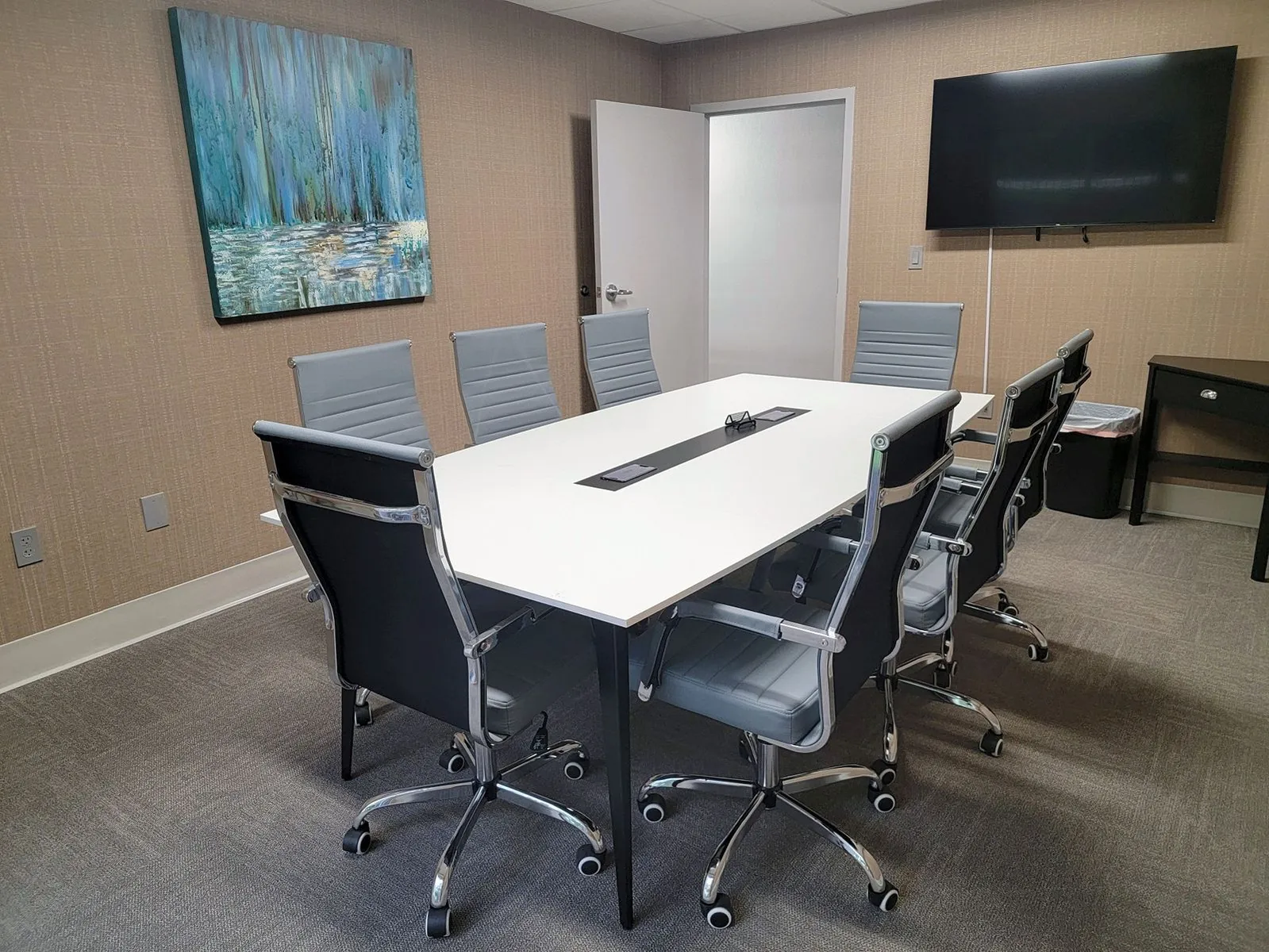
Think through the first appointments you will hold in Jacksonville. Identify whether they need an office conversation, a separately booked meeting room or another setting. Give the provider the expected group size and purpose, then confirm the appropriate room, booking conditions and building. Southpoint's private-office information lists six monthly meeting-room hours, but that allowance should not be transferred to every service. Meeting rooms on site are a useful option to discuss, not a promise that any preferred time is included or available.
Prepare arrival instructions for both staff and guests. Include the full confirmed address and the process the team has explained. Ask about parking arrangements instead of assuming a particular allocation. Reception is staffed Monday through Friday, 8:30am to 5pm Eastern; distinguish reception hours from the access arrangements for the selected service. A clear first-day plan should explain where people go, whom they contact and what equipment or documents they need to bring. It need not rely on invented promises about a universally immediate move.
Keep the budget tied to the proposed service
Compare the full workspace quotation with the work you need it to support. Southpoint advertises daily or per-person-per-day starting rates for relevant plans and hourly starting rates for meeting rooms. Keep those units visible and request the actual monthly amount where appropriate. Do not calculate a monthly rent by multiplying daily figures by guessed working days. Ask about taxes, selected extras, usage charges and billing dates, and keep dedicated desks as Call for pricing until you have the actual offer.
Allow for the practical overlap in your own transition plan without inventing a standard moving cost. You may have existing obligations, equipment to move or records to update, but those depend on your situation. Compare operational responsibilities as well as headline prices. Furnished workspace may reduce what you need to source yourself, while a traditional lease may provide the premises control you want. Neither arrangement is automatically cheaper. The decision should use written scope, the actual quotation and the responsibilities your business is prepared to manage.
Review the setup after ordinary work has begun
Once the new arrangement is operating, review how it supports a representative week. Check whether calls happen comfortably, visitors reach the right place, equipment fits and correspondence reaches the responsible person. Follow up with senders still using old details. Ask staff which tasks work well and which need another arrangement. These observations are more valuable than judging the move only on the first day, when routines may not yet reflect normal work.
Keep a list of confirmed requirements for the next stage. If attendance increases or the business needs a different room, ask about the process and current suitable options without treating earlier conversations as reservations of future space. Use both Southpoint building pages, the relevant service pages and the tour checklist to prepare the discussion. A successful workspace transition has a clear sequence: define the work, confirm the service, activate it, update the right records, organize arrivals and review what actually happens once business is underway.
Plan your Southpoint visit
- Team offices in Southpoint
- 4110 Southpoint Blvd
- 6821 Southpoint Drive North
- Book a tour
- All workspace buying guides
Related buying guides
Frequently asked questions
What should I set up first when moving the business?
Identify the function that must work first: daily workspace, occasional meetings or business correspondence. Confirm the appropriate service before announcing new details or committing to a larger premises plan.
Should I change every address record at once?
Check the purpose and acceptance requirements of important address fields first. Activate the suitable service, then update records and recurring senders in a planned order with one person responsible.
Does this guide provide legal relocation advice?
No. It explains workspace and address planning. Use appropriate official information and professional advisers for legal, tax, employment or licensing questions affecting the business.
How should I review the new workspace after moving?
Review an ordinary working week: attendance, calls, equipment, visitors and correspondence. Discuss changes using those observations, without treating earlier possibilities as guaranteed future rooms or terms.