What is an executive suite? A furnished workspace buying guide
An executive suite is furnished workspace with a defined service package, available to discuss at Southpoint Office Suites in Southpoint, Jacksonville. Our private offices start from $10 per person per day, excl. tax.
Starting rates as published by our workspace operator; billed monthly. Final pricing confirmed on your tour.
Executive suites in Jacksonville
By Salem Hassan, owner · Published · Updated
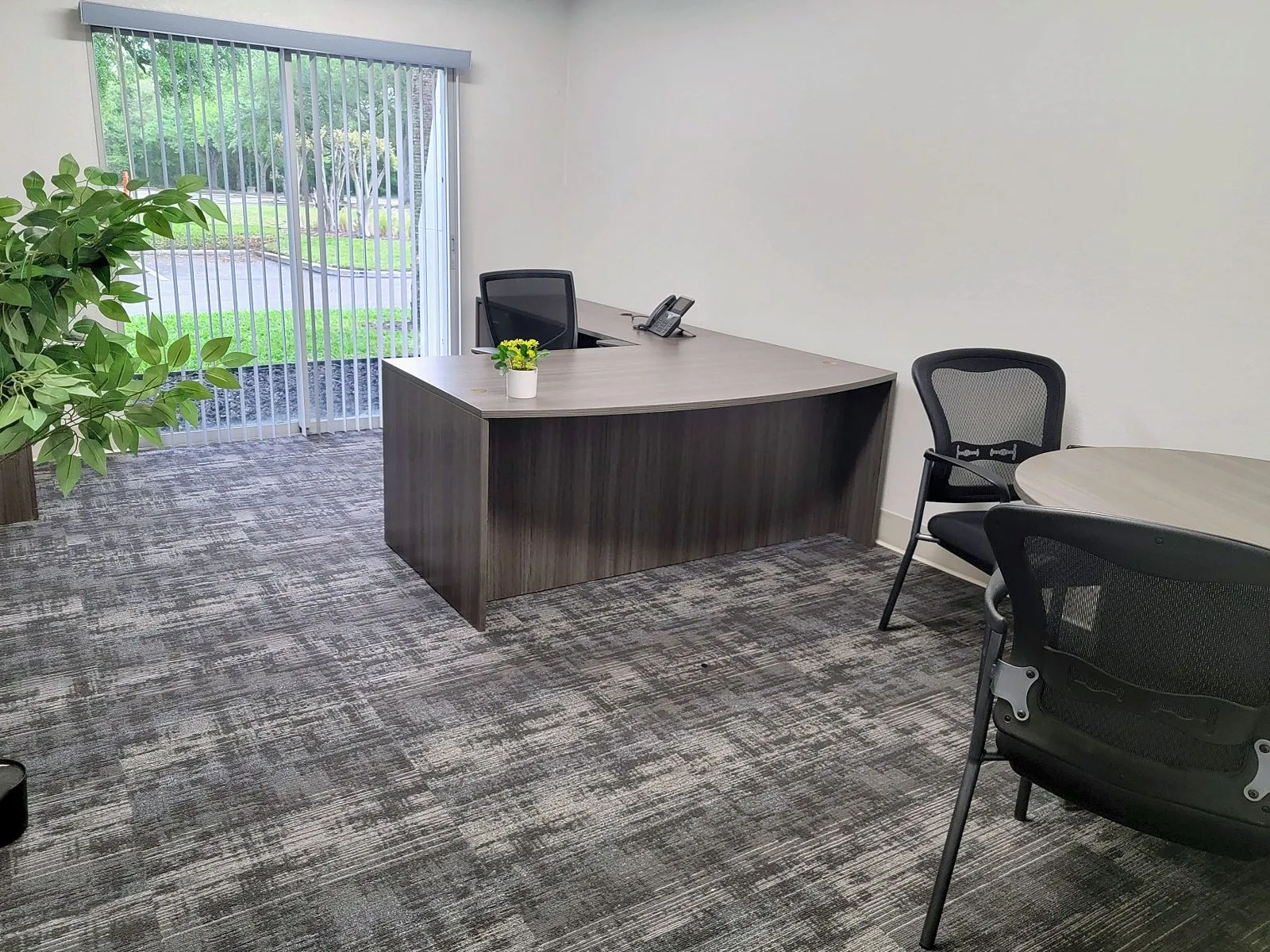
Understand the category without treating it as a specification
An executive suite is generally a furnished office offered with a defined set of workplace services. The phrase helps distinguish the purchase from arranging bare premises and sourcing every operational component independently. It does not identify a universal room size, term or package. One provider's offer can differ from another's, and different plans within the same building can have different conditions. The useful starting point is to ask what physical space you will use and which responsibilities the agreement assigns to the operator.
This buying guide explains how to assess the category. It does not replace Southpoint's executive-suites service page, which describes the local offer and helps visitors discuss suitable workspace. Read the service information alongside this article when preparing a brief. Keep general definitions separate from confirmed facts about the room you might take. A broad explanation of serviced workspace can help you ask better questions, but it should never turn into an invented promise about what every suite includes.
Inspect the furnished workspace as a working environment
Furnished should mean more to a buyer than seeing a desk in a photograph. Consider the position of the work surface, the chair you will use, where visitors sit and how equipment fits. Think about a normal day rather than the room at its tidiest moment. If paperwork, screens, cables or reference material need space, bring a description of those needs. Ask to see an appropriate offered office and discuss the furniture arrangement instead of assuming every room has the same layout.
Southpoint's private-office information lists a desk with return, executive chair, two guest chairs, small conference table and file cabinets. Those details give you a concrete starting point for the conversation. They do not establish that a specific room is currently available or that furniture can be changed without discussion. If more than one person will use the office, assess the working arrangement together. Count usable work positions and consider how people move, hold calls and receive visitors throughout the day.
Identify the services that support the room
A furnished room is only one part of an office arrangement. Someone needs to keep connectivity, cleaning and everyday building operations working. Southpoint's private-office copy lists utilities, fiber internet, reception, coffee and daily janitorial alongside the furnishings. Compare these stated inclusions with the quotation you receive. The aim is to understand which ordinary operational tasks are covered and which remain your responsibility, not to assume that a service-inclusive office removes every administrative decision from running a business.
For each service you depend on, ask a practical question. If internet is essential, describe your equipment and technical requirements. If visitors arrive regularly, discuss how reception and your team coordinate. If your work creates unusual cleaning, delivery or equipment needs, explain them before agreeing a plan. Existing office services are useful when they match the work. They are not proof that every specialist setup, professional requirement or business activity can be supported without an additional conversation.
Treat privacy as a requirement to assess
An enclosed office provides a different boundary from shared seating. That can matter when several colleagues collaborate, when documents stay in the room or when conversations should not take place in an open area. However, the word private does not establish sound isolation or compliance with a professional standard. Assess your own requirements and the actual room. Ask about visitor movement, call practices and how your team will manage screens, paperwork and confidential discussions in the proposed space.
Use realistic examples during the viewing. Describe a client conversation, a video meeting or two colleagues working on different calls. Consider whether the layout supports those situations and whether a separately booked meeting room would be appropriate. Privacy is partly physical and partly procedural. A sensible decision combines the office's boundaries with your own working practices and the service rules. Do not let a category label substitute for checking the conditions that matter to the people using the room.
Separate office access from meeting-room arrangements
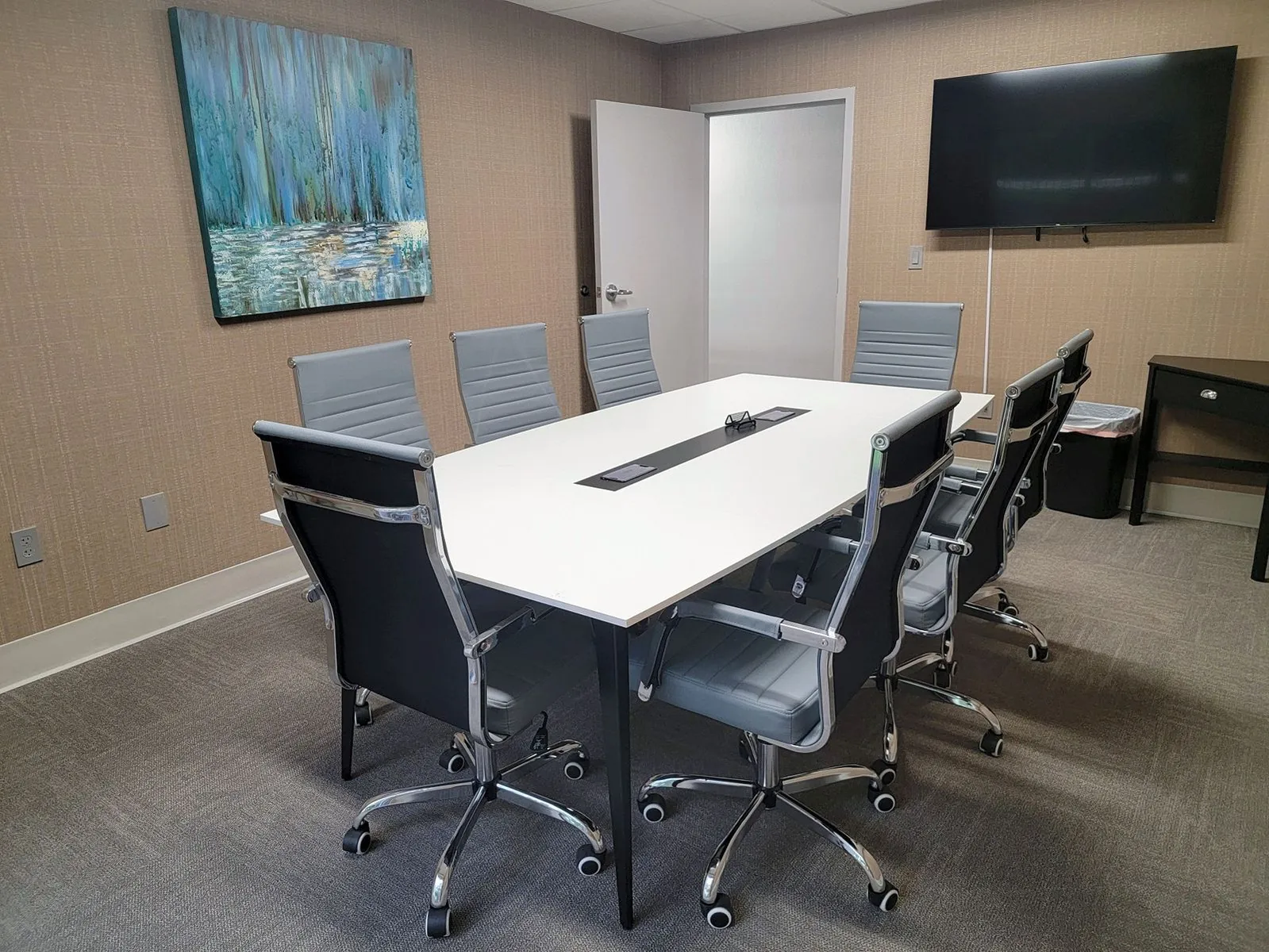
An office can be the team's base while meetings use a different room. Southpoint's private-office information lists six monthly meeting-room hours. Ask how those hours are reserved, which rooms are appropriate, how additional use is charged and what happens when your preferred time is unavailable. Do not extend that private-office allowance to other plans, and do not interpret an allowance as an unlimited entitlement. The booking process matters as much as the number of hours when visitors have fixed schedules.
Write down a representative month of meetings. Include internal sessions, client visits, interviews and any presentations that need a different layout. Distinguish small conversations that suit the office from gatherings that require a room booking. Bring the pattern to the team so the quotation addresses the real use. A business with occasional visitors may need a different arrangement from one holding frequent group sessions, even when both companies need the same number of everyday work positions.
Compare the full agreement rather than the label
Executive suite, serviced office and flexible workspace are descriptive terms, not replacements for contract review. Ask about the initial commitment, payment schedule, renewal, notice and the process for changing or ending the arrangement. If the quotation includes deposits, setup items or optional charges, request a clear explanation of when they apply. This guide does not assign a standard term to the category. Your decision should use the specific agreement offered for the workspace and intended start.
For prices, keep the advertised unit visible and request the actual monthly quotation. Southpoint publishes private-office starting rates per person per day, with monthly billing explained separately. Multiplying a daily number by a guessed attendance pattern does not produce the agreement price. Compare the full scope for the same headcount, services and intended use. A rate is useful for beginning a conversation; the written quotation is what lets you evaluate the actual financial commitment and operational responsibilities.
Decide whether an executive suite fits your working pattern
A furnished service-based office may fit a business that wants a consistent workspace without coordinating every basic office component itself. A traditional lease may fit a business that prioritizes greater premises control and can manage the responsibilities. Coworking may fit portable independent work without a continuing enclosed room. None of those choices proves that a company is more established. Compare them against attendance, confidentiality, equipment, visitors and the work your team actually performs.
Growth plans deserve attention, but avoid treating future possibilities as reservations. Ask how additional headcount or a different room would be discussed and what agreement changes could be involved. Record what is confirmed now and what would depend on a later quotation or suitable availability. That distinction gives a growing team a realistic plan without implying that any provider can guarantee future inventory. The immediate office still needs to work well for the people and tasks you already have.
Turn the definition into a useful tour brief
Prepare a one-page summary of who will work in the office, typical attendance, equipment, calls and visitor frequency. Include the intended start and the requirements you cannot compromise on. Bring questions about the furnished layout, operational services, meeting-room use and agreement conditions. Ask to inspect the relevant interior rather than judging only from a photograph. A tour is most productive when the team can respond to concrete working needs instead of trying to infer them from a general interest in suites.
Explore both Southpoint buildings at 4110 Southpoint Blvd and 6821 Southpoint Drive North, then confirm which location and room suit the proposed service. Use the executive-suites and private-suites pages for local service details, and the traditional-lease comparison if premises responsibilities remain your main uncertainty. The purpose of understanding an executive suite is not to memorize a definition. It is to recognize which parts of an office arrangement you are buying, which decisions remain yours, and what must be clear before you choose.
Plan your Southpoint visit
- Executive suites in Jacksonville
- 4110 Southpoint Blvd
- 6821 Southpoint Drive North
- Book a tour
- All workspace buying guides
Related buying guides
Frequently asked questions
Does executive suite mean the same package everywhere?
No. It generally describes furnished workspace with defined services, but room layout, inclusions, access and terms depend on the actual offer. Compare the written scope rather than relying on the category name.
What does Southpoint list for private-office furnishings?
Published private-office furnishings include a desk with return, executive chair, two guest chairs, small conference table and file cabinets. Confirm the specific room and arrangement being offered.
Are meeting rooms part of the private-office discussion?
Southpoint's private-office information lists six monthly meeting-room hours. Ask about booking conditions, suitable rooms and additional use; do not extend that allowance to every other plan.
Where should I find the local executive-suites offer?
Use the executive-suites service page and private-suites page for Southpoint's local options. This guide explains how to assess the category rather than replacing those service pages.